As a growing retail brand, properly managing your supply chain can feel like an overwhelming, uphill battle. This is often because your current supply chain management (SCM) software is either not purpose-built for retail, or you’re still trying to manage your supply chain the old-fashioned way — with spreadsheets, manual data tracking, and tools that are stretched to fill the gap in your software needs.
If this is your reality, there’s plenty you can do to change direction and start meeting your growth goals — without ripping out the software your ops team relies on.
What you’ll learn:
-
Why you should consider a retail-native SCM software integration
-
Three operational benefits of retail SCM software
-
How headless, composable ERP helps you get the most out of your SCM software
Why You Need SCM Software Built for Retail
The market is full of different supply chain management software integrations that are built for a variety of business niches. Some are designed to support complex manufacturing, like automotive production (both consumer and heavy equipment), pharmaceuticals, and healthcare technology. For industries that specialize in logistical support or shipping, they need powerful SCM tools that can help them optimize their routes and shipping speeds.
Retail has some manufacturing and production workflows, but they’re often far less complicated than manufacturing the parts of an excavator or a passenger vehicle. And larger retail operations might manage their own logistics or have a logistics partner — which means their SCM software needs to be able to interface with the tools their vendors and partners might use.
You might be getting the picture already, but the integration your growing brand chooses needs to be built for retail. But what does that look like?
Scalable, Flexible, and API-First
In this modern retail environment, you can’t be wasting precious time fighting with rigid workflows and low-compatibility software bundles. Your retail partners, suppliers, and vendors might all be using different software to manage their data, and you don’t want to end up in a situation where you have to haphazardly integrate a new tool just to do business with them. These hurried, emergency integrations are disruptive and expensive to implement.
-
This is where flexibility really matters. When you’re unable to move quickly without fires starting, you’re likely too rigid. And if that rushed integration is going to eat up your operating budget and cause disruptions, you’ll be facing the repercussions later. A stack with flexible SCM software wouldn’t cause the same problems.
-
Is your SCM software scalable? Scalability is the software’s ability to grow to meet your needs as your own business develops and changes. It’s also the metric that determines how frequently you have to replace that software with another integration. An SCM integration that’s flexible and scalable will be able to handle everything you can throw at it now, and continue to meet your needs for years to come.
-
The factor that enables scalability and flexibility. API-connectivity is the core design choice that promotes both scalability and flexibility in any software integration. With SCM software in particular, this will help it support the numerous lanes of external data it needs to parse, without relying on spreadsheets and manual reconciliation.
Operational Benefits of Retail Supply Chain Management Software
Next, let’s explore the operational benefits of integrating retail SCM software. The operational impacts fall into three categories:
Real-Time Sync of Your Most Important Data
One of the first major benefits of having retail supply chain management software is the real-time sync of your logistics, warehousing, vendor, and procurement data. Especially in this modern retail environment, you shouldn’t be making key business decisions based on lagging data reports.
SCM software made for retailers should be able to provide you with as much information about your products, shipments, and materials as quickly as possible. Waiting for nightly reports leaves far too large a time gap to properly monitor the state of your operations. When you have retail SCM software built to enable real-time sync, you’ll know where your products are moving, how much inventory exists at each location, and whether or not your suppliers have the materials you need to continue production on time.
Simplified Vendor, Partner, and Supplier Management
Being able to directly interface with your partners’ data streams to track product sales, pending orders, and outbound fulfillment is essential for operating a modern ecommerce retail brand. Likewise, if your business has a manufacturing or production component, you need to be able to monitor procurement data to ensure you can keep your workflows moving.
Retail supply chain management software can help you generate demand forecasting reports that will simplify the process of choosing which SKUs and product lines to focus on. It also provides you with information about the materials your suppliers or vendors have on hand, and may also provide you with pricing insights to ensure you’re able to get what you need for the cost you want to pay.
Without a modern, retail-focused SCM integration, many of these processes are burdened by spreadsheets, low-information decision-making, and unexpected delays that force you to scramble and disappoint your customers.
Deeply Integrated Logistics and Production
Another operational benefit to consider is that retail SCM software provides deeper integration into logistics and production workflows. Rather than simply allowing you to track these often complex workflow sets, you can keep them from becoming rigid and inflexible, along with properly managing them.
Without the right SCM software integration, you might find that your insight into your logistics pipeline is hazy at best. You’re subject to getting updates when your third-party warehouses, fulfillment, or bulk product transporters schedule report deliveries. But with a retail SCM software integration that’s API-first, you can gain access to all that data as it’s being updated in their system — removing the wait and cutting out potential for erroneous data.
You can also more dynamically adjust your production processes with better forecasting and real-time market data, which is helped by having more insight into available materials and more accurate sales projections.
How Composable ERP and SCM Software Work Together to Transform Your Retail Operations
Looking at the feature lists between ERP and SCM software integrations, you might think that you only need one and not the other. Many of the available features overlap, but they functionally cover different needs. SCM software integrations (for the sake of this overview) tend to handle external data — or information that’s coming from third parties and retail or warehousing locations you’re not in direct control of.
On the other hand, your ERP manages internal data, information, and metrics that originate within software, retail, warehousing, production, and materials sourcing that you directly own or manage. Because each software generally specializes in only half the data you need to operate your business, you need to consider what it would look like to have them work together.
Why Tailor’s Headless, Composable Architecture is Important for Growing Retail Brands
When a retail brand scales, it needs to be able to meet customer demand without slowing down, making critical inventory errors, or having operating budgets tied up by overlong software integration timelines or upgrade cycles. Every dollar counts during these times, and Tailor’s pay for what you use pricing model (rather than committing to per-seat pricing) helps lower your overhead.
But Tailor’s benefits go beyond reasonable prices — its lasting impact is in how it transforms your retail ops.
-
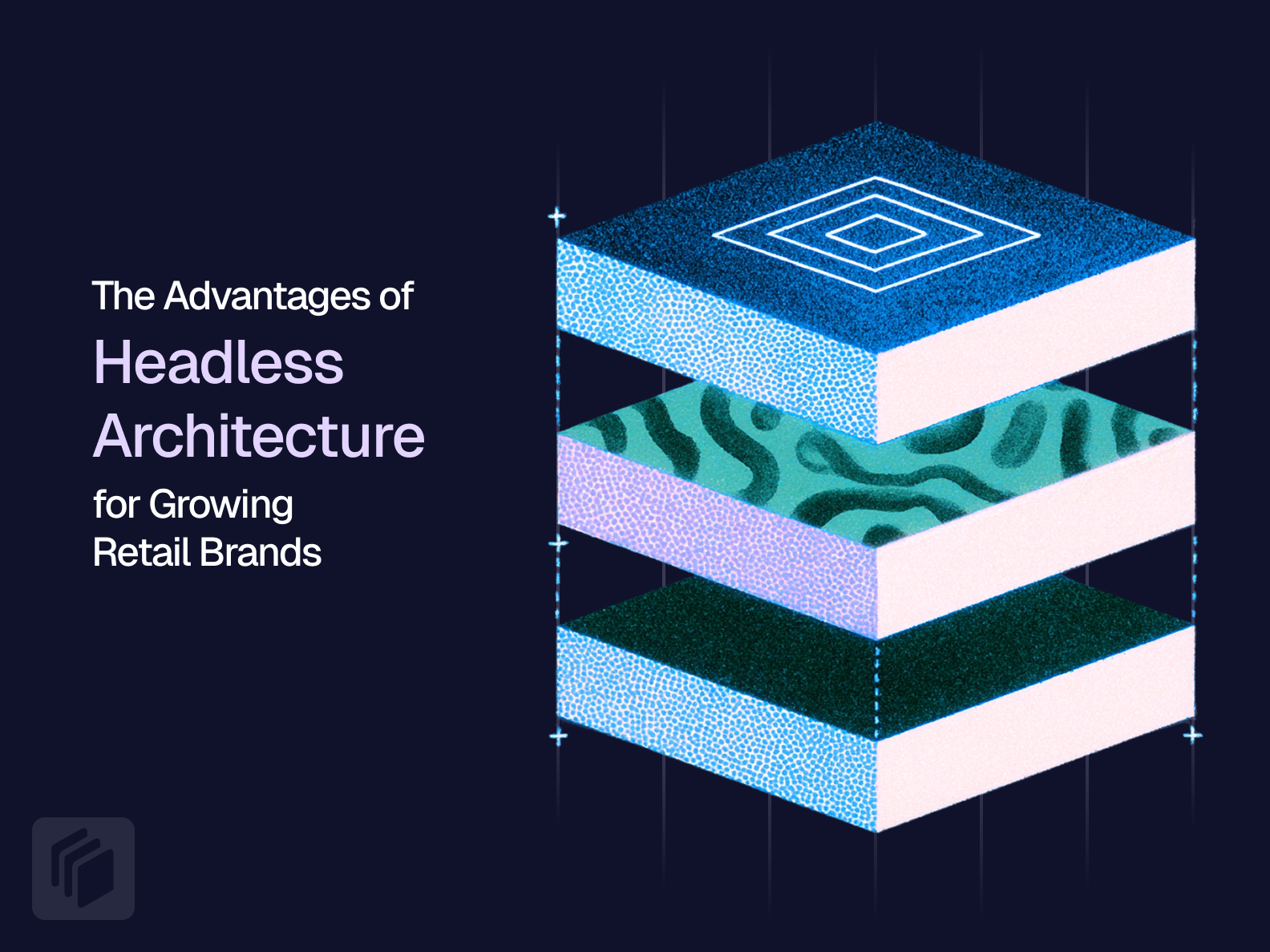
Headless architecture. Tailor features decoupled system architecture, letting your backend code and UI be developed without affecting each other. This means that your ERP (and overall system) can be flexibly developed and shaped to meet your needs.
-
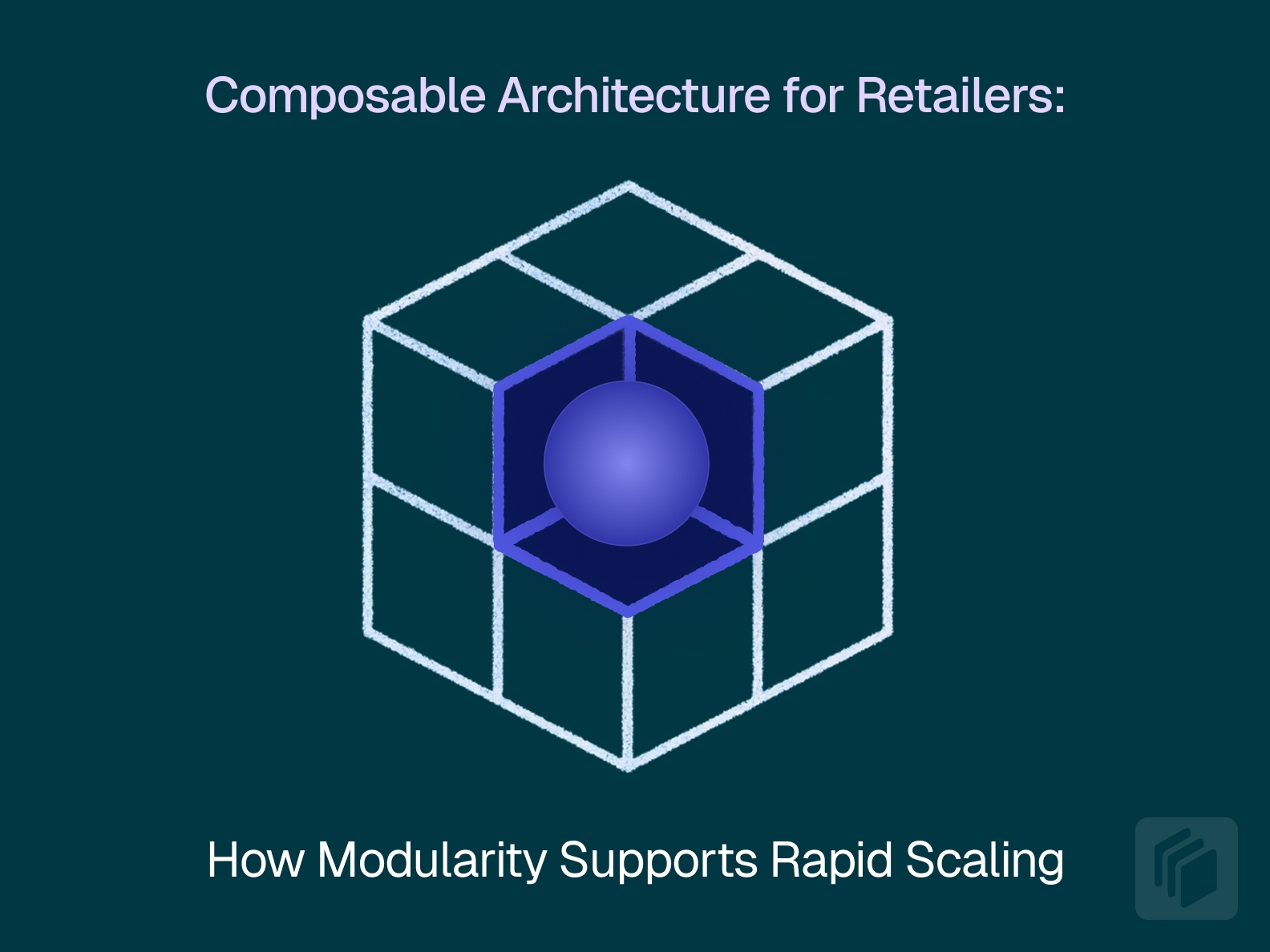
Composable design. Built with modularity in mind, Tailor’s modules and integrations are designed to function like interchangeable blocks — making adding or replacing parts of your stack quick and frictionless.
-
API-first and AI-native. Being API-first means that Tailor is able to integrate with virtually every API-enabled tool you’d like to use in your business. Its AI-nativity also means that you can utilize AI automation and connect with industry-standard AI tools without them feeling bolted onto your existing workflows.
-
Fast to implement and ready to use. Tailor can be integrated faster than other ERPs, with phased rollouts that can have its out-of-the-box UI and modules fully operational in just weeks — compared to the many months other legacy ERPs can take to implement.
Rebuild Your Operations for a Modern Retail Environment
Integrating retail SCM software can be a chance to completely restructure your operations to fit the modern retail environment. You can gain unparalleled control over your data, improve your connections with partners, and optimize your processes to save you money and time.
This can be done by choosing Tailor as your headless, composable ERP integration and connecting it with SCM software built for retailers. Tailor’s experts can answer your questions and help you figure out exactly which tools and features you need to modernize your operations.
Book a demo today to experience the headless, composable difference.