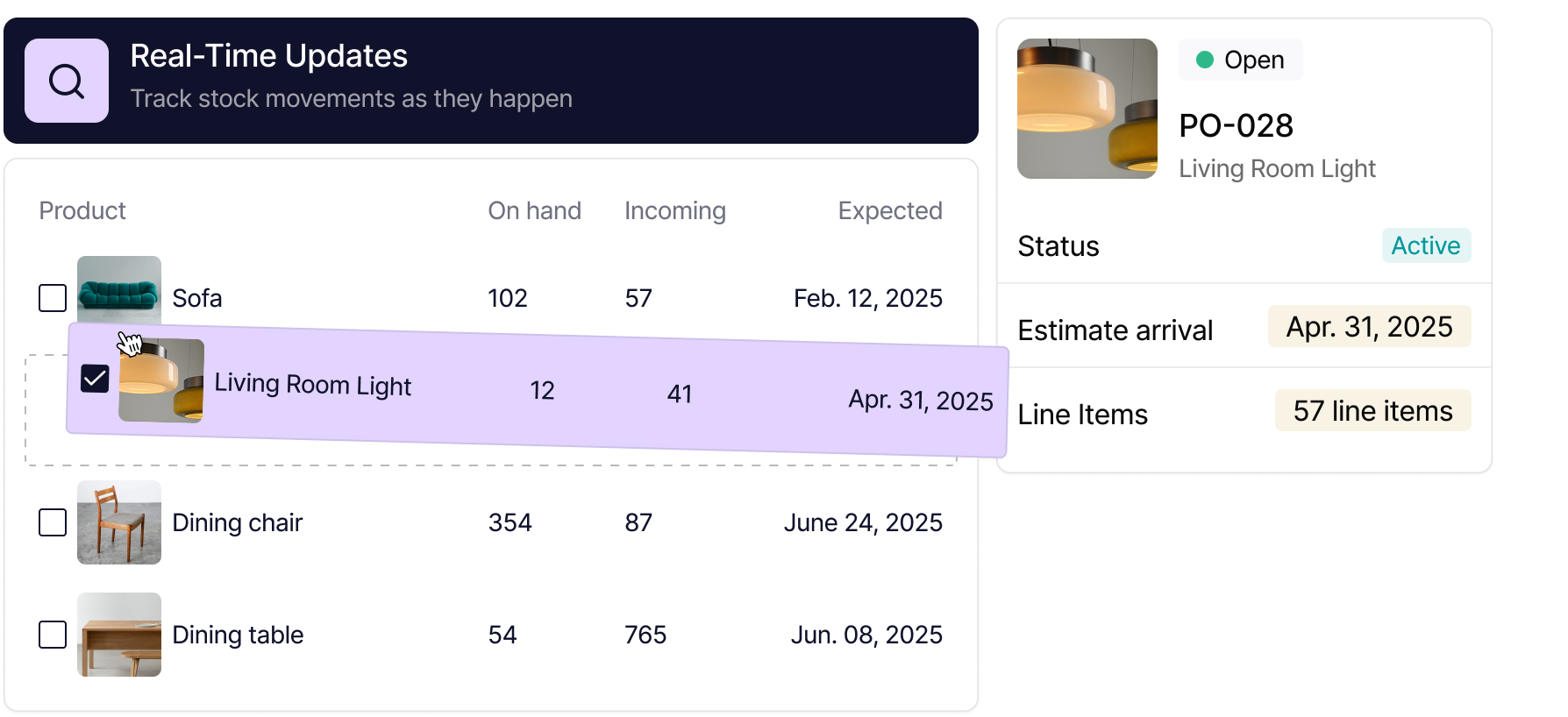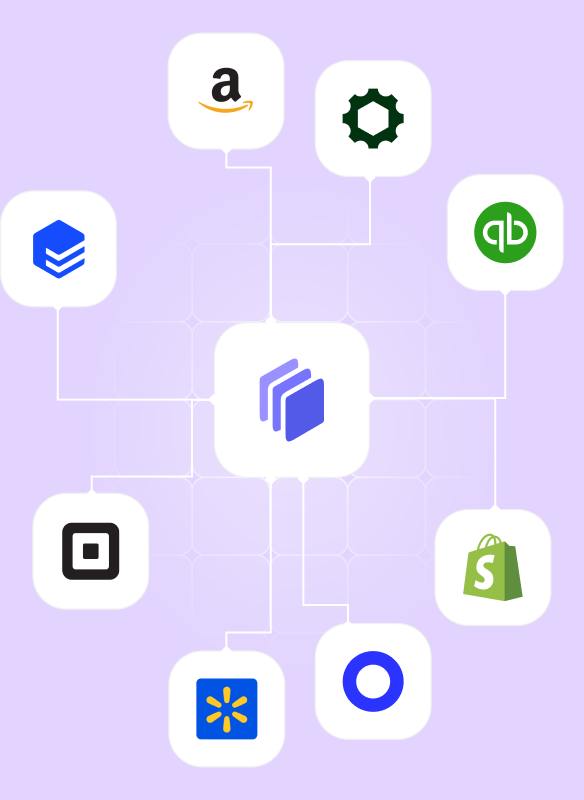
VS

The NetSuite Alternative Built for Modern Retail Operations
NetSuite was built based on 1999 business models — with modules bundled and integrations framed as add-ons.
Tailor is the headless, composable retail operations system that sits upstream of your stack, so you can avoid the monolith without ripping out the tools that already work.
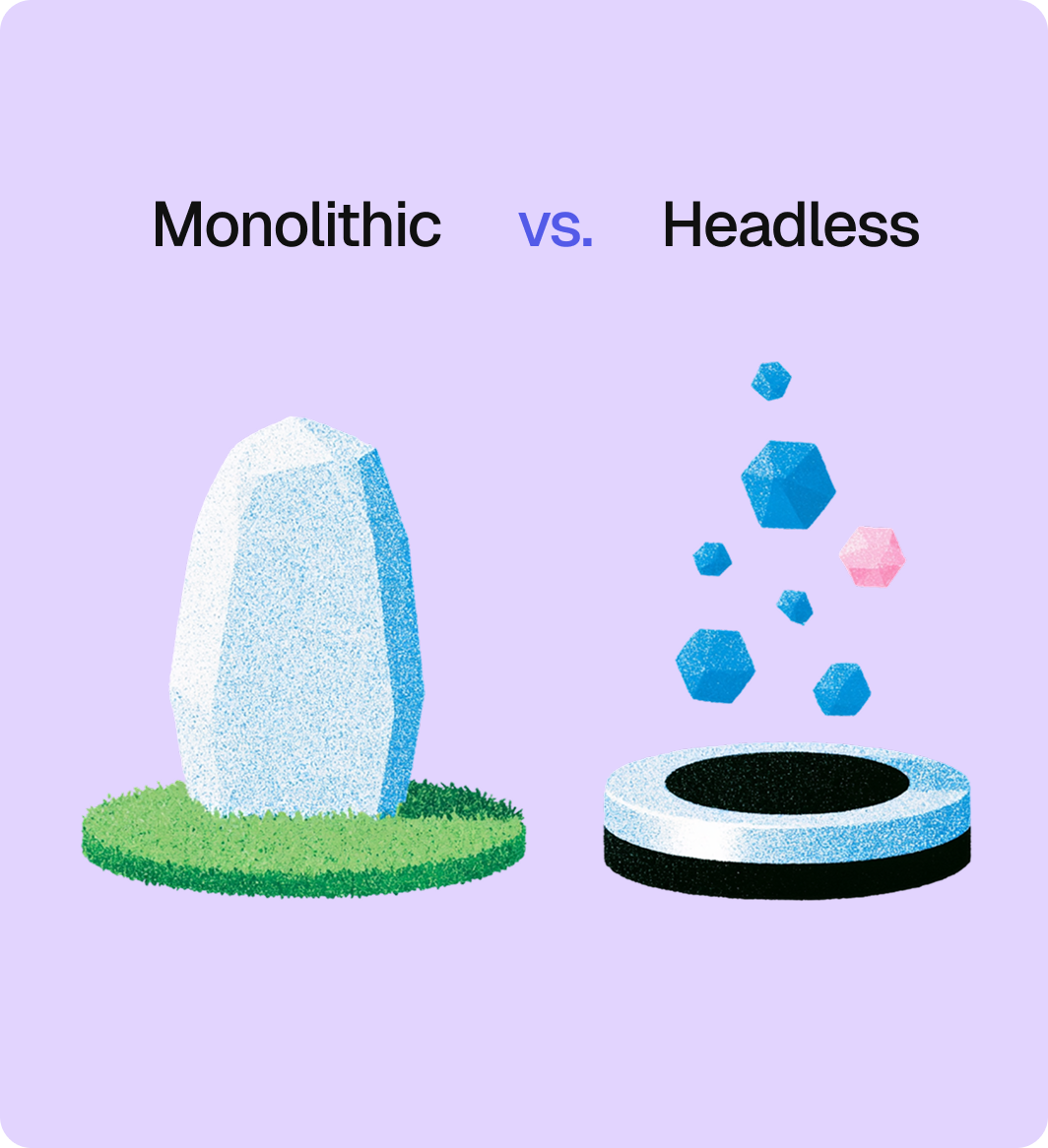
Monolithic vs. Headless
Tailor and NetSuite can both run retail operations — but from opposite architectures.
Traditional ERP systems NetSuite are monolithic and tightly coupled, meaning all business functions (accounting, inventory, sales, HR) are bundled together in a single system.
Tailor is headless and composable: it holds your operational source of truth, orchestrates the best-in-breed tools you already use, and decouples your accounting from your operations.
When NetSuite is the right choice
NetSuite may be a fit if your organization needs:

A deep Apparel/Footwear/Accessories edition on paper: size/color matrices, landed cost, seasonal forecasting.
First-class multi-subsidiary and multi-currency support — genuinely useful if you're consolidating across 15 entities in 8 currencies.
Analyst recognition and CFO comfort. For public-track companies, "nobody got fired for buying NetSuite" is a procurement virtue worth something.
A massive partner ecosystem. Someone, somewhere, has implemented it before — which is both a feature and a tell about how hard implementations are.
If you're a large enterprise with a deep IT budget, a long implementation runway, and heavy multi-entity consolidation needs, NetSuite is a defensible choice.
But most fast-growing retail brands aren't that company. They're multi-channel, between $10M and $500M in revenue, and moving fast. If that’s your ecommerce or retail brand, you need operations architecture that’s flexible enough to adapt to market and business changes.
Tailor vs NetSuite: side by side
Capability
NetSuite

Tailor
Architecture
Monolithic and screen-first; a scripting layer over black box, all-in-one architecture.
Headless and API-first — the screen is one manifestation of the API.
Your existing stack
Built to be all-in-one: accounting, inventory, commerce and CRM in a single suite.
Keep Shopify, Flexport, Bill.com, Softledger — orchestrated as peers via documented APIs.
Accounting
Bundled — operations and the general ledger live in the same monolith.
Decoupled — pair with QuickBooks, Xero, Softledger, Wave, or your existing GL.
AI
AI copilot layered onto the legacy data model; chatbot-like capabilities.
Agentic AI with three-way invoice matching with vendor tolerance, AI-OCR, prompt-driven operations.
Implementation
Anywhere from 6 months to multiple years; typically one full launch at the end of the project.
3–6 months, phased, with go-lives in roughly 6 weeks per module.
Pricing
Monthly fees range from $100 to $200. Implementation costs range from $25,000 to $500,000+ for enterprise companies.
Usage-based — pay for what you use, no per-seat fees.
Retail depth
Apparel capabilities exist, but as an edition of core ERP suite.
Retail-first core — channel rules, mystery packs, 3PL reconciliation, wholesale EDI, product-vs-item model.
Customization
Customization as add-ons; custom scripts and technical debt can accumulate over time and require maintenance.
Headless architecture and API-first — build any UI or workflow your team needs.
Support / migration
Tier-based support team access and SLAs negotiated as add-ons.
White-glove, hands-on, phased migration support from our team.
Tailor’s vertically integrated implementation: one team, end to end
We’re not like other vendors. Tailor’s implementation is vertically integrated: we provide the product, technology, customization, and the consulting for every implementation.
That means no handoffs between a software company and a separate integration partner. You get direct access to our team of engineering, operations, and business experts.
We’ll tell you not just how to do what you asked for, but whether it's the right thing to do at all — down to questions like how the cost of goods sold should be handled in your setup or optimizations to the physical layout of your production workshop.

“With Tailor, it actually feels like we have a partner — not just a vendor. Their team understands both the tech and the day-to-day reality of running a retail business. Instead of waiting weeks for fixes or explanations, we’re solving problems together in real time.”
James Kao, CEO, Universal Jewelry
Scaling custom jewelry operations with Tailor’s Shopify + Odoo Connector
“With Tailor, it actually feels like we have a partner — not just a vendor. Their team understands both the tech and the day-to-day reality of running a retail business. Instead of waiting weeks for fixes or explanations, we’re solving problems together in real time.”

Where Tailor wins
1
Headless Architecture
Don’t lock your operations in a black box. Traditional ERP systems NetSuite are monolithic and tightly coupled.
Tailor is headless, composable and AI-native from the ground up. Tailor holds your operational source of truth, orchestrates the best-in-breed tools you already use, decouples accounting from operations, and empowers your operations with AI-based automation and insights.
2
Composability
NetSuite is a monolithic system where accounting, inventory, commerce, and CRM share one database and one backend. This makes it hard to change one part without impacting others.
Tailor uses composable architecture with independent modules that can be deployed as needed, integrating with tools like Shopify and QuickBooks.
3
Agentic AI
Don’t lose AI opportunities with monolithic ERPs. Legacy suites offer limited AI returns because of their legacy data models with old schemas and fragmented data.
Tailor's AI model is trained on retail industry-specific data. Brands use Tailor’s intelligent platform to match invoices with vendor tolerance and AI-OCR, enabling human-approved decisions. It also turns account payable data into margin insights, flagging over-billing or short shipments.
4
Implementation & cost
Legacy ERP implementations can take anywhere from 6 months to multiple years, and often deploy large environment changes all at once. Most pre-enterprise companies don’t use their entire ERP suite — but pay a hefty total cost of ownership between per-user pricing and user minimums, implementation and partner fees, and hosting fees.
Tailor implementations are vertically integrated and take 3–6 months, with phased go-lives every six weeks per module and ongoing support. Pricing is usage-based, with no per-seat fees, allowing gradual capability transitions.
Decouple your accounting from your operations
Solve your operational problems without breaking your accounting department. When you separate your operations from your general ledger, you can modernize without ripping out finance.
Run operations on Tailor
Inventory, purchasing, sales, and manufacturing in a system built for retail.
Keep your GL
Tailor hands clean AR, AP, and COGS journal entries — with a full audit trail — to SoftLedger, QuickBooks, Sage Intacct, or your existing ERP.
Migrate at your own pace
Run Tailor as your operations source of truth first; move the accounting layer when you're ready.
Switching from NetSuite
Leaving NetSuite doesn't have to be risky or slow down your operations. Tailor's vertically integrated implementation gives you a phased, secure migration.
1
Tailor becomes your operations source of truth — inventory, orders, purchasing — while NetSuite keeps running as your general ledger.
2
You go live capability by capability, in roughly six-week increments, so your team is never staring at a system it doesn't know.
3
When you're ready, accounting moves to a modern layer like Softledger or QuickBooks — or stays where it is. Your call, your timeline.
Tailor vs NetSuite: Frequently Asked Questions
ERP built for operators